What is Blown-In Insulation?
Blown-in insulation is a type of loose-fill insulation that is installed using a blowing machine. The material, usually made from fiberglass, cellulose, or mineral wool, is blown into wall cavities, attics, and other hard-to-reach areas to create an even layer of insulation. The installation process is relatively quick, making it a convenient option for homeowners who want to improve their home’s energy efficiency without significant disruptions.
Key Benefits of Blown-In Insulation
Superior Coverage and Air Sealing
One of the main advantages of blown-in insulation is its ability to fill in small gaps and crevices that other types of insulation may miss. Blown In Insulation This ensures a tighter seal and reduces air leaks, which are a common source of energy loss in homes. By sealing these gaps, blown-in insulation helps maintain consistent indoor temperatures, reducing the workload on heating and cooling systems.
Energy Efficiency and Cost Savings
Blown-in insulation is highly effective at improving your home’s energy efficiency. By preventing heat loss in winter and keeping cool air inside during summer, this insulation type helps lower energy consumption. As a result, homeowners often see a reduction in their energy bills, which can make the initial investment in insulation installation worthwhile over time.
Versatility in Application
Blown-in insulation can be used in a variety of settings, including walls, attics, and crawl spaces. It is particularly useful for insulating hard-to-reach areas, such as those found in older homes with non-standard construction. Whether you’re retrofitting an existing home or insulating a newly built one, blown-in insulation can be tailored to suit your needs.
Soundproofing Qualities
In addition to its thermal benefits, blown-in insulation also provides excellent soundproofing. The dense nature of the insulation material helps reduce noise transfer between rooms and from outside sources. This is especially beneficial for homeowners living in busy neighborhoods or near noisy streets.
Environmentally Friendly Options
For eco-conscious homeowners, blown-in insulation offers environmentally friendly choices. Cellulose insulation, for example, is often made from recycled paper products and treated to be fire-resistant. Florida Spray Foam Insulation Choosing a sustainable insulation material can reduce your home’s carbon footprint while still enjoying the benefits of a well-insulated space.
Installation Process
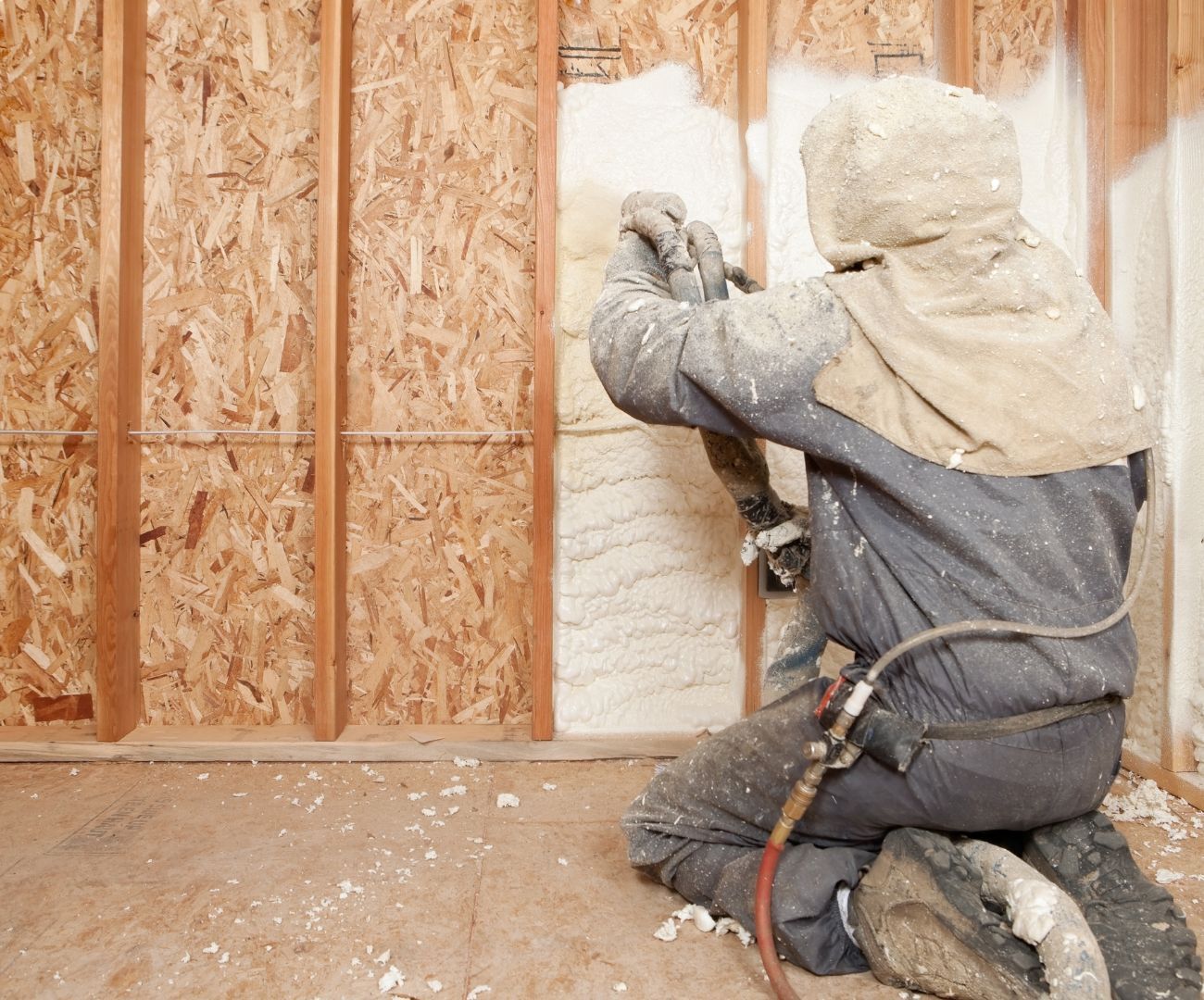
Blown-in insulation is typically installed by professionals who use specialized equipment to distribute the insulation material evenly throughout the desired area. The process is relatively quick, usually completed in a single day, and requires minimal disruption to your home. Since the insulation is blown in, it easily conforms to the shape of your walls and other surfaces, ensuring comprehensive coverage.
Comments
Post a Comment